
Searches for Japanese head spa treatments jumped 233 percent year over year heading into 2025-2026, according to a SpaSeekers report cited by Forbes - the single fastest-growing category in the multi-trillion-dollar global wellness economy. That kind of growth does not happen on trend alone. It happens when a treatment consistently delivers results people can see and feel. This guide covers the biology behind why it works, what a professional session looks like from first consultation to final rinse, which scalp conditions respond best, who should wait before booking, and exactly how to prepare and care for your scalp to get the most from every visit.
What Is a Japanese Head Spa?
The treatment draws from Japan's concept of iyashi - a word meaning healing or soothing, describing a state of physical and emotional restoration. Japanese head spa culture built on that philosophy by approaching the scalp the same way a medical esthetician approaches the face: as living skin with its own pH, microbiome, oil production patterns, and vulnerability to inflammation.
A standard salon shampoo service runs three to five minutes. A Japanese head spa session runs 60 to 90 minutes. That is not an upgraded version of the same thing. It is a different category of service entirely.
The core premise is that hair quality is downstream of scalp health. A follicle embedded in a chronically inflamed, clogged, or dehydrated environment will produce thinner, weaker strands over time - regardless of what shampoo sits on the shelf. The Japanese head spa addresses the root environment first. Hair health follows from there.
The Science of Scalp Massage
The results clients report after consistent head spa treatment - thicker hair, reduced shedding, a scalp that has stopped overproducing oil - have a specific biological explanation that goes well beyond relaxation.
A 2016 study published on the NIH platform (PMC4740347) examined what happens at the cellular level during regular scalp massage. Nine male participants received four minutes of standardized massage daily for 24 weeks - a small pilot study whose mechanistic findings have since informed broader research. Individual hair strand thickness increased from 0.085 mm to 0.092 mm by the end of the trial - a structural change, not a perceptual one.
The mechanism is called mechanotransduction. When massage applies physical stretching forces to dermal papilla cells - the cluster of cells at the base of each follicle that regulate the growth cycle - those cells respond by altering their gene expression. The NIH study found that massage upregulated hair-cycle genes including NOGGIN, BMP4, SMAD4, and IL6ST, while simultaneously downregulating IL6, a gene associated with hair loss. The follicle responded to physical pressure by orienting toward growth.
A 2019 survey of approximately 327 participants who performed twice-daily scalp massage - with an average adherence of around seven months - found approximately 69 percent self-reported hair loss stabilization or regrowth, though many participants were also using additional hair-loss treatments such as minoxidil or finasteride during that period. Self-reported data carries limitations, but the direction aligns with the mechanotransduction evidence from the controlled trial.
Stress introduces a separate and less-discussed mechanism of follicle damage. When cortisol stays elevated chronically - under sustained work pressure, disrupted sleep, or ongoing anxiety - it suppresses ceramide synthesis in the scalp barrier. Ceramides are the lipid molecules that hold the barrier together and prevent moisture from escaping. Without adequate ceramide production, transepidermal water loss rises, the scalp becomes dry and inflamed, and follicles are pushed prematurely into the telogen phase - the resting stage of the hair cycle - which accelerates shedding.
Research on female office workers confirmed that twice-weekly scalp massage over ten weeks produced statistically significant improvements in stress hormone levels, blood pressure, and heart rate. The scalp did not just feel more relaxed. The body's measurable stress response changed. For reference: the healthy scalp sheds 50 to 100 hairs per day as part of the normal growth cycle. Consistent daily loss above 100 is a widely cited indicator of excessive shedding, and chronically elevated cortisol is a documented contributor to that pattern.
Step-by-Step: What Happens During a Session
A professional Japanese head spa session follows six distinct phases, each with a defined clinical function.
- Scalp analysis. A specialist uses a microscopic camera to examine the scalp surface before any product is applied. This reveals follicle density, oil accumulation, inflammation, flaking, and signs of clogging - an objective baseline that guides every decision made during the session and provides a comparison point over time.
- Clarifying cleanse. The goal is to lift product residue, excess sebum, and environmental debris from the scalp surface and the entrance to each follicle. Sebum mixed with dead skin cells can physically block follicle openings, trap inflammatory cytokines and DHT close to the follicle wall, and promote Malassezia yeast overgrowth - a yeast strongly associated with dandruff and seborrheic dermatitis, though dandruff is a multifactorial condition involving sebum production and individual immune response alongside yeast activity.
- Steam application. Warm steam opens follicles and softens any buildup the cleanse did not fully dislodge. It also increases surface blood flow, priming the scalp for the phases that follow.
- Exfoliation. A targeted scalp exfoliant - enzymatic, physical, or a combination - clears dead skin cells from the surface. An exfoliated scalp absorbs the next phase's active ingredients at a significantly higher rate than one with an intact layer of accumulated skin cells.
- Serum infusion. With follicles open and the surface cleared, targeted serums are worked into the scalp. The specific formulation depends on the individual's scalp type and the condition identified during analysis.
- Therapeutic massage with acupressure. The longest phase, and the one that drives the mechanotransduction response described in the NIH study. Acupressure applied across the scalp, neck, and shoulders activates the parasympathetic nervous system - the branch of the autonomic nervous system responsible for rest and recovery.

The Benefits: Hair, Skin, and Nervous System
The benefits of a professional head spa session operate across three systems at the same time.
For hair and follicles, removing buildup clears the physical and chemical barriers that impede growth. Inflammatory compounds and DHT that were sitting against follicle walls are lifted away. Over repeated sessions, clients typically see reduced shedding and improved hair texture. With the kind of regularity the NIH study required, measurable changes in strand thickness follow.
For the scalp's skin barrier, the combination of steam, exfoliation, and ceramide-based serums restores the barrier's capacity to hold moisture. A scalp that retains water correctly is less likely to overproduce oil in compensation, produces less visible flaking, and is less hospitable to the yeast species that drive dandruff and scalp irritation.
For the nervous system, the effects arrive quickly. Clients consistently leave describing a feeling of lightness - a release of the tension held across the scalp, neck, and jaw. This is not vague language. The research on office workers confirmed it with measurable cortisol, blood pressure, and heart rate data. For people who struggle with sleep, the parasympathetic shift produced by sustained acupressure massage can also shorten sleep onset time that evening. The scalp has a high density of nerve endings, and rhythmic pressure across them produces a calming effect throughout the whole body.
Active Ingredients That Drive Results
Not all head spa products perform equally. The difference between a clinical-grade formulation and a retail equivalent typically comes down to active concentration and the delivery system used to get those actives past the scalp's surface barrier.
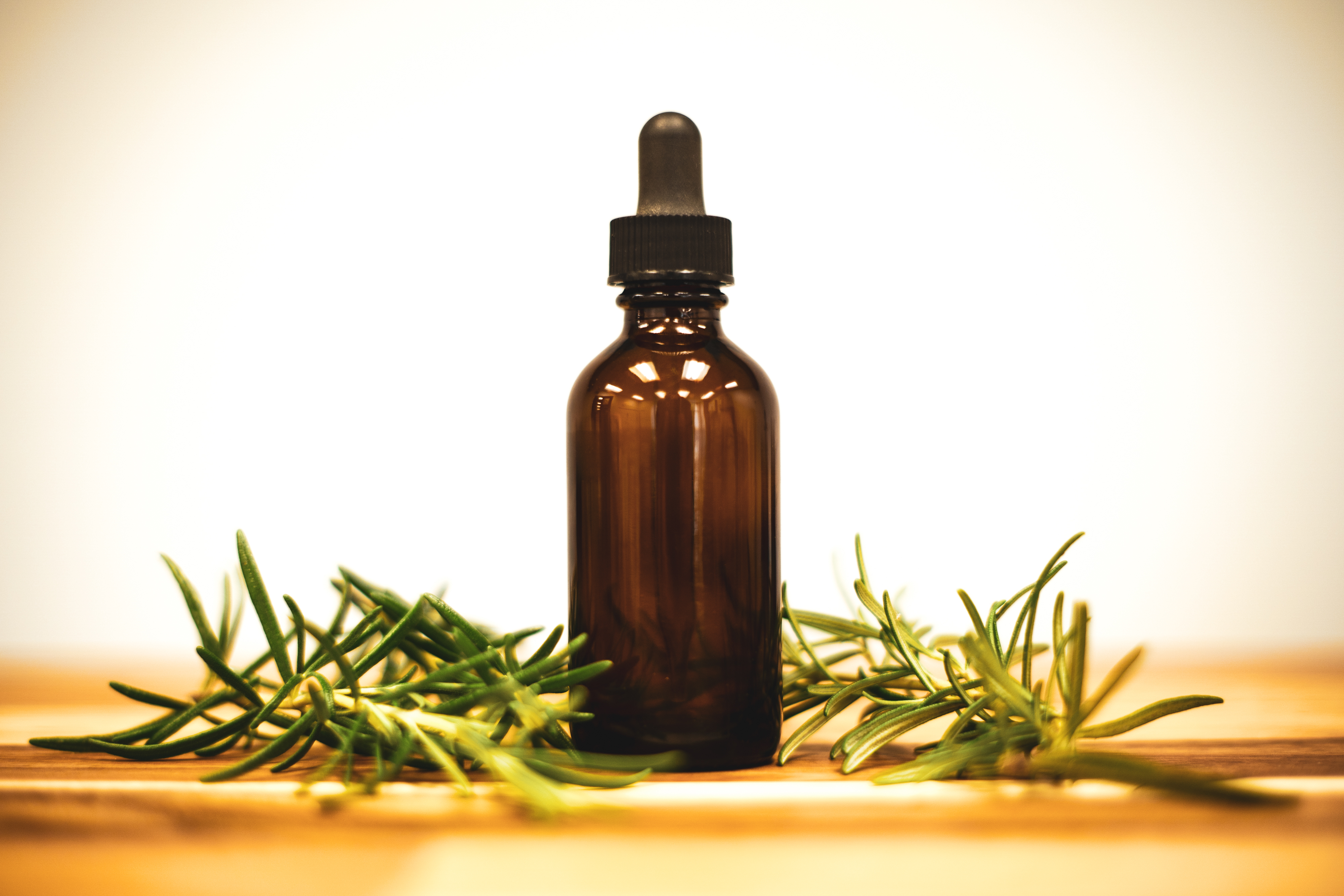
Rosemary oil has the strongest published clinical support among botanical ingredients in scalp care. In a direct six-month trial comparing rosemary oil to 2% minoxidil in people with androgenetic alopecia, rosemary oil matched minoxidil for hair regrowth outcomes - while producing significantly less scalp itching. A separate clinical trial using a rosemary and lavender oil formulation documented a 57.73% improvement in hair growth rate over 90 days, a 68.70% improvement in hair thickness, a 32.21% increase in hair density, and a reduction in hair fall of more than 40%. These are controlled trial results from published research, not marketing copy.
Peppermint oil contributes to scalp circulation through vasodilation at the surface level. Caffeine, applied topically, has been shown in research settings to penetrate the follicle directly, where it counteracts DHT effects on follicle cells.
Hyaluronic acid draws moisture into scalp tissue and holds it there. Ceramide compounds rebuild the barrier so that moisture does not escape back through the surface. Used together, they address both sides of the dry and sensitive scalp problem - attracting water and retaining it.
Clinical serums used in professional head spa settings are formulated specifically for scalp application, unlike most consumer haircare products, which target the hair shaft. The higher active concentrations in professional-grade products, combined with proper delivery into a pre-exfoliated, open follicle, produce results that at-home application cannot replicate.
Which Scalp Type Benefits Most
Every scalp type can benefit from a Japanese head spa, but the specific results - and the frequency that makes sense - differ by condition.
Oily scalps
Sebum production exceeds what the follicle can process, leading to buildup that blocks openings and creates the warm, nutrient-rich environment Malassezia yeast needs. The clarifying cleanse and exfoliation phases of the session are the most impactful for this type. Oily scalps typically benefit from sessions every two weeks until production normalizes, then can shift to monthly maintenance.
Dry scalps
A compromised barrier loses moisture readily, producing flaking, tightness, and itching. Steam, ceramide serums, and hyaluronic acid address the deficiency directly. Once the barrier is restored through initial sessions, a four-to-eight-week maintenance schedule is appropriate for most dry scalp clients.
Sensitive scalps
Reactive scalps respond to friction, chemical ingredients, or environmental changes with redness and burning. The specialist needs to know about sensitivity before the session begins. Enzyme-based exfoliants tend to work better for this type than physical scrubs, and massage pressure is adjusted throughout. Full communication during the consultation phase matters more here than for any other scalp type.
Hair-thinning scalps
This group has the most to gain from a consistent regimen. The mechanotransduction effect documented in the NIH study requires regularity over weeks and months - a single session is an introduction, not a course of treatment. Clients who see meaningful changes in density and thickness tend to maintain monthly or bi-monthly appointments and support them with at-home scalp massage between visits. For thinning that does not respond after several months of consistent professional treatment, a consultation with a board-certified dermatologist is the appropriate next step. Conditions like alopecia areata or scarring alopecias require clinical diagnosis and targeted medical management.
Who Should Wait - and Who Should Skip
Some situations call for postponing a session. Others are firm contraindications.
- Recent chemical services. Anyone who has had color, bleach, or a keratin treatment recently should wait before booking a head spa. The clarifying and detox steps can interfere with bonds that are still curing and can cause color to lift during the process. Wait times vary by service and product - typically at least 48 to 72 hours at minimum, with many stylists and spas recommending a week or more, and keratin treatments often requiring longer. Confirm the appropriate window with your stylist and the spa before booking.
- Active scalp infections. Bacterial, fungal, or viral infections on the scalp are a firm contraindication. Heat and massage pressure applied to infected tissue can spread the infection and worsen inflammation. The session should wait until the condition has fully resolved - confirmed by a dermatologist if there is any doubt.
- Recent scalp sunburn. Steam, exfoliants, and massage pressure on sunburned skin cause pain and can extend healing time. Wait until the skin has fully recovered.
- Cardiovascular conditions and blood clot history. The circulatory and lymphatic effects of therapeutic massage warrant medical clearance before treatment. The same applies to anyone recovering from head or neck surgery - massage can interfere with the post-surgical recovery process.
- Epilepsy or a history of seizures. Massage therapy is generally not considered a firm contraindication for people with epilepsy, but certain elements of a head spa session warrant attention. In particular, essential oils commonly used in scalp treatments - including rosemary, which is widely used in this context - are identified by epilepsy organisations as potential scent-based triggers for some individuals. Anyone with epilepsy should consult their neurologist or GP before booking and share the product list with the spa so the session can be adapted where needed.
Disclose any of these conditions when booking, not just during the in-session consultation. A reputable specialist will ask during intake - but do not wait to be asked.
How to Prepare for Your Appointment
Arrive with what specialists call day-old clean hair - not freshly washed within the past 24 hours, and not coated in dry shampoo, styling product, or oil treatment.
Fresh shampoo strips the scalp's natural oil layer before the specialist can assess it, undermining the accuracy of the scalp analysis phase. Heavy product residue obscures the scalp in a different way, masking its true oil and dryness levels under a layer of buildup. Day-old clean gives the specialist an accurate, unfiltered read of the scalp's actual baseline.
Skip tight hairstyles - extended braids, high ponytails, or structured buns - the day before the appointment. Prolonged tension across the scalp can mask underlying sensitivity and make the early massage phases less comfortable.
Hydrate well in the hours before the visit. Internally hydrated scalp tissue responds more readily to moisture-based treatments. During the consultation, share any scalp symptoms from the past few weeks: unusual shedding, itching, tenderness, flaking, or any recent chemical services. Describe the products currently used on the scalp. This information shapes every formulation and technique decision the specialist makes during the session.
Aftercare and Between-Visit Maintenance
The 48 hours after a head spa session are the most important part of the treatment cycle - and the part most clients are not told about. Active serums applied during the infusion phase continue penetrating the scalp barrier after the client leaves. Washing within 24 hours interrupts that absorption and reduces the clinical return on the session. This is not guidance about keeping the hair styled a certain way. It is about letting the chemistry complete its work.
During that 48-hour window, minimize heat styling. High heat disrupts the scalp's moisture barrier - the opposite of what the ceramide and hyaluronic acid serums were applied to achieve. Letting the scalp breathe and retain its treatment environment for two full days makes a measurable difference in outcomes.
When washing resumes, use a sulfate-free shampoo. Sulfates are surfactants effective enough to strip the scalp's natural lipid layer along with dirt and product, which serves a purpose in a professional clarifying context but works against the barrier repair a head spa is designed to provide. Sulfate-free formulas clean thoroughly without resetting that progress.
Between appointments, at-home scalp massage three to four times per week maintains the mechanotransduction environment the NIH study identified as the mechanism behind structural changes in hair thickness. Four to five minutes per session is enough. Use fingertip pads - not nails - with firm circular motions starting at the temples and working toward the crown. This does not replicate a professional session, but it supports the gene-expression changes that produce results over time.
How often to return depends on the scalp's condition. Oily scalps do better returning every two weeks until production stabilizes. A balanced scalp in a maintenance phase typically needs a session every four to eight weeks. Active conditions - persistent dandruff, scalp acne, ongoing itching - usually call for weekly visits until the problem resolves, followed by a shift to monthly upkeep. The goal of every maintenance schedule is to keep the follicle environment consistently clear, hydrated, and free of the buildup and inflammation that accumulate between visits and slow progress over time.